How it works
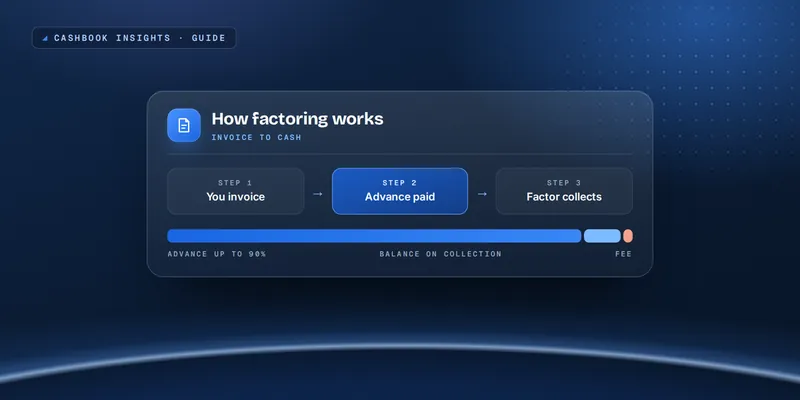
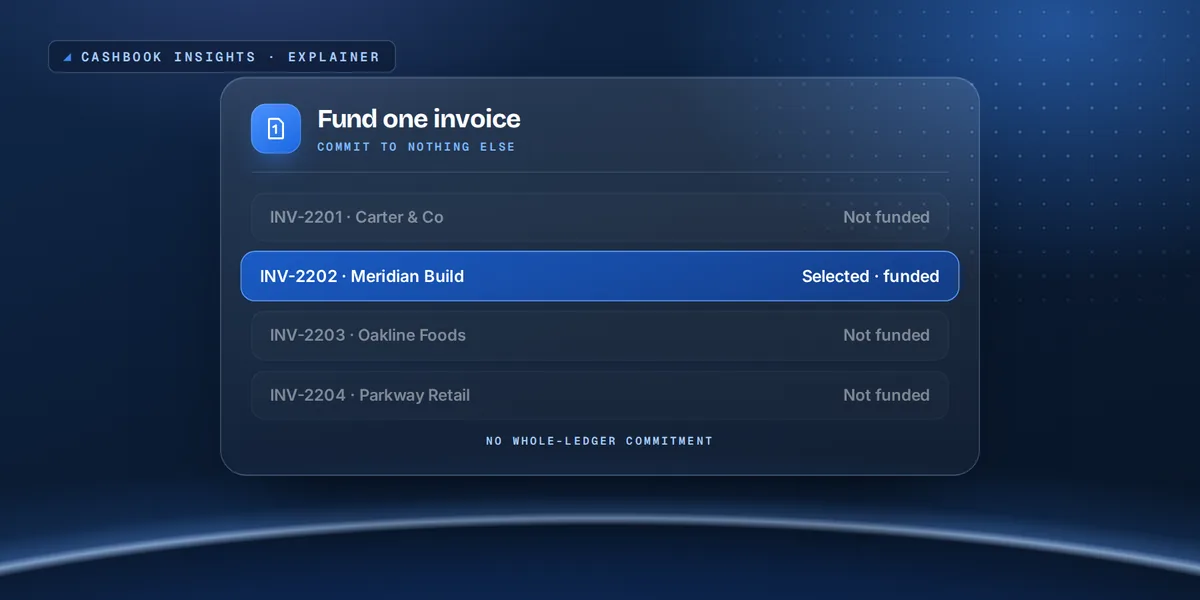
You pick a specific invoice - usually a large one from a creditworthy customer - and the funder advances most of its value, commonly up to 90%, within a day or two. When the customer pays, you receive the balance, less a fee. You decide when, and whether, to do it again.
Why businesses like it
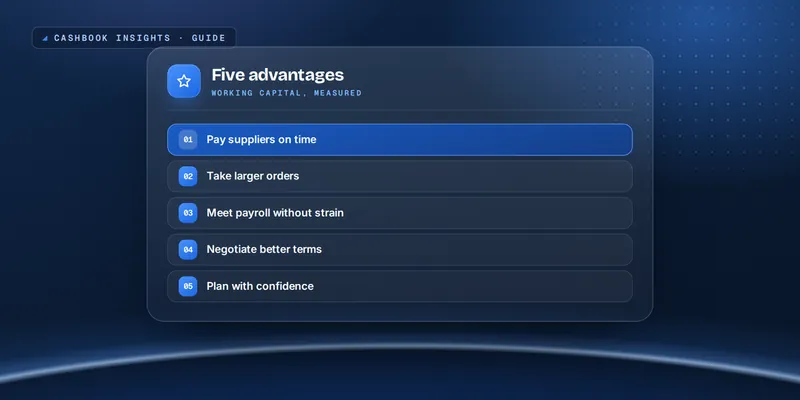
- No long-term tie-in - use it as and when you need it, with no minimum-fee commitment on a whole ledger.
- Targeted cash - release funds from one big invoice without restructuring your finances.
- Great for one-offs - a large contract, a seasonal spike, or a sudden opportunity.
- A gentle first step - a low-commitment way to try invoice finance before considering a full facility.
When a full facility is better
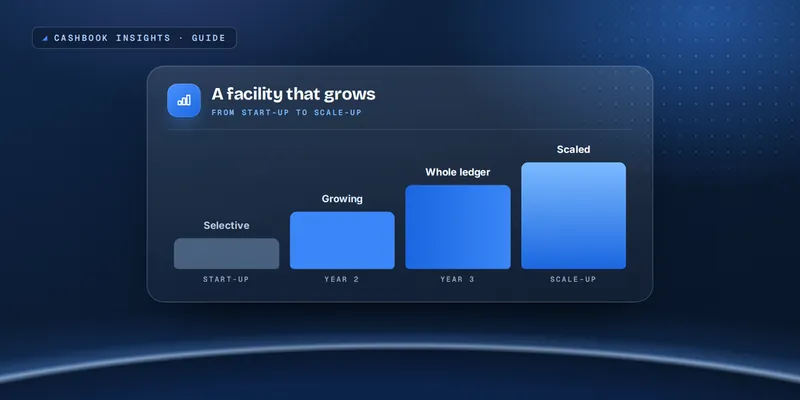
If you regularly need funding across many invoices, a whole-ledger facility usually works out more cost-effective and smoother to run. Selective funding shines for occasional, targeted needs. We’ll help you judge which makes sense.
Single invoice factoring: a practical decision test
Single-invoice finance offers flexibility, but selective use can be expensive or unpredictable if it becomes a recurring habit. It works best for a clearly identified invoice and a defined use of proceeds, with no assumption that every future invoice will be accepted on the same terms.
Commercial fit
Choose invoices that are completed, undisputed and due from strong business customers. The product is less suitable where the whole ledger creates a permanent working-capital need.
Evidence and eligibility
Provide the underlying contract, invoice and proof of delivery. Expect customer verification. A large invoice with unclear acceptance is not a strong candidate simply because of its value.
Operational fit
Plan the funding request before the cash deadline and understand how the customer will be notified. Selective transactions still require documentation and settlement administration.
Alternatives
Compare the repeated cost of individual transactions with a whole-ledger facility. Occasional use may justify flexibility; frequent use can make a revolving arrangement more efficient.
Single invoice factoring: model the downside, not just the headline
Calculate the exact net proceeds and final retained balance for the selected invoice. Include all transaction fees and the impact of payment later than expected.
Where this can go wrong
The risk is building commitments around a transaction that has not yet been approved. Keep a fallback plan until eligibility, verification and funding are confirmed.
Single invoice factoring: questions to ask before signing
- Which invoices would be eligible, and what would reduce the available advance for using single-invoice finance selectively?
- What is the all-in cost at expected utilisation, including minimums, reserves and exit terms?
- Who owns customer communication, reporting, reconciliations and dispute escalation?
- How does the facility behave if sales fall or the largest debtor pays late?
Single invoice factoring: documents and controls to prepare
Every invoice finance discussion goes better with the same core pack: a current aged-debt report, representative contracts and invoices with delivery or acceptance evidence, recent management accounts with a short cash forecast, and an honest schedule of credit notes, bad debts and customer concentration. We keep one maintained resource covering the full pack, the questions that surface the all-in cost, and what to monitor once a facility is live - read the invoice finance preparation checklist.
This guide is general information, not a recommendation or an offer of finance. Suitability, availability, pricing and terms depend on the business, the debtor ledger and the proposed structure.